
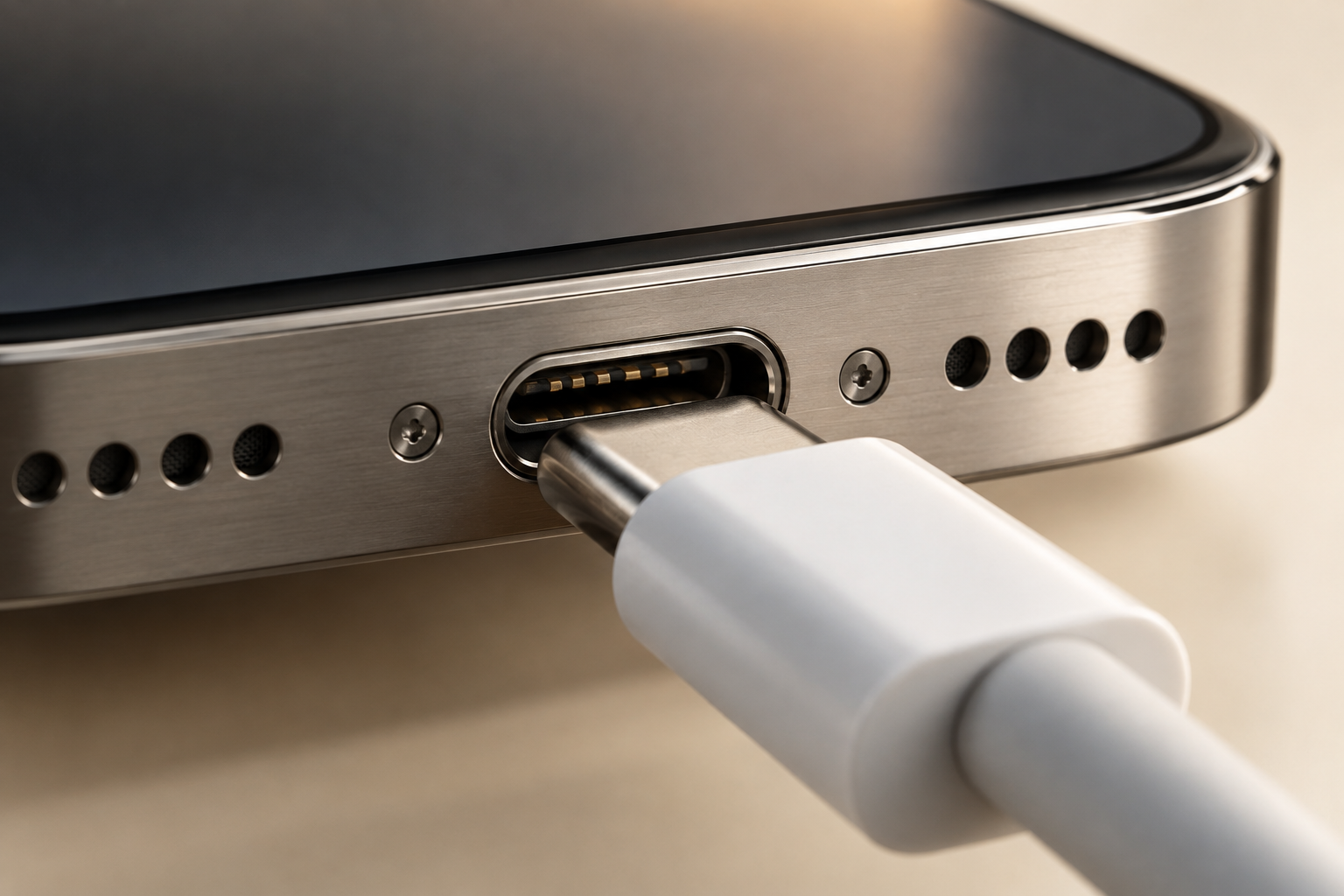
Jim Cramer thinks investors selling Apple after the latest iPhone 18 report are confusing a headline with an investment thesis. His verdict, delivered with his usual restraint, is that those sellers are “stupid as plywood.”
Cramer’s recommendation is aimed at investors who do not own $AAPL: use Friday’s weakness to build a position, he says, as stocks bounce back from Thursday’s sharp, technology-led selloff. That is a clear bullish view—but it remains commentary, not independently verified evidence about Apple’s fundamentals.
In a CNBC report, Cramer argued that investors reacting negatively to the iPhone 18 report are making a mistake. The assignment provides no iPhone 18 sales figures, product details or Apple share-price data, so the case here is not that the report contained a measurable operating surprise. It is that Cramer sees the market reaction as an opportunity rather than a warning.
Why Apple’s reaction matters
Apple is not merely another technology stock in this conversation. It is one of the most widely held retail stocks and a bellwether for the broader technology rally. When Apple weakens, retail investors notice; when it recovers, the move can reinforce the idea that technology stocks remain supported after a difficult session.
That makes Cramer’s comments potentially relevant beyond his own audience. High-profile commentary may influence retail sentiment and trading volume in Apple, particularly when investors are already deciding whether Thursday’s selloff was a broader change in direction or simply a bout of volatility. The bounce on Friday gives the bullish interpretation some market context, but it does not by itself verify Cramer’s argument.
The evidence gap
Set aside the prepared remarks for a moment: the central question is what, specifically, the iPhone 18 report changed about Apple’s business. The source material does not answer that question. It does, however, make clear that Cramer believes selling based on the report is premature and that investors without exposure should use the weakness to begin building one.
That distinction matters. Cramer’s view may be useful as a read on sentiment, especially given Apple’s retail following and symbolic importance to technology stocks. But the available information does not establish whether the report altered demand, expectations or company fundamentals. (A forceful television verdict is not the same thing as a fresh 10-Q.)
The next question for Apple is therefore not whether Cramer can make the bullish case—he plainly can. It is whether subsequent company data supports his interpretation of the iPhone 18 report, rather than merely confirming that traders were willing to buy the bounce after Thursday’s technology-driven decline.
Bull/Bear Verdict
Bull Case: Cramer’s case may gain traction because Apple is widely held by retail investors, serves as a technology bellwether, and rebounded alongside stocks after Thursday’s sharp tech-driven selloff.
Bear Case: The available source material provides no iPhone 18 sales data, product details or independently verified fundamental update, leaving the bullish recommendation dependent largely on sentiment and market reaction.