
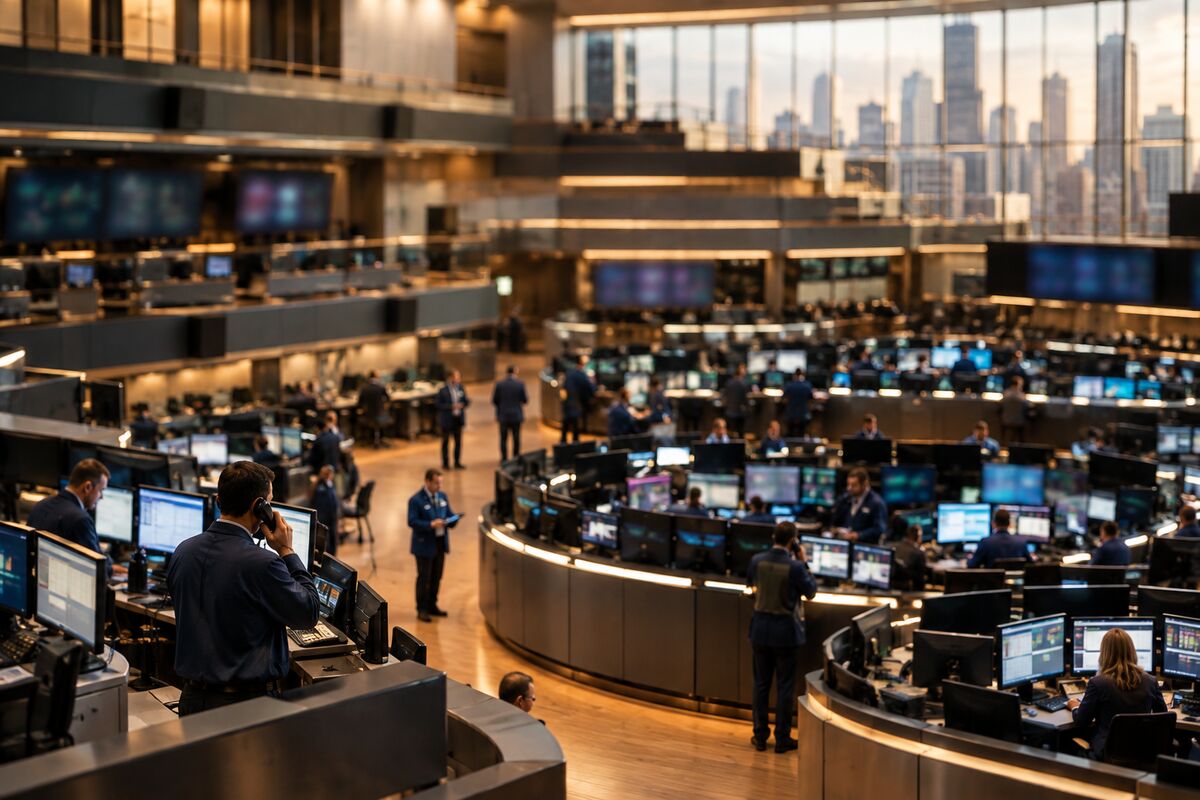
Options markets are about to spend more time reacting to the news cycle. Cboe Global Markets ($CBOE) will extend options trading for 24 of the most actively traded companies and five ETFs, giving traders new windows to respond before the opening bell and after the regular close.
The change is more than a scheduling adjustment. By adding a morning session from 7:30 a.m. to 9:25 a.m. ET and an afternoon session from 4:00 p.m. to 4:15 p.m. ET, Cboe is moving listed options closer to the near-continuous rhythm of modern markets—where a headline rarely waits for regular trading hours.
According to CNBC’s report, the expanded access will cover 24 actively traded companies and five ETFs. The assignment does not identify the eligible securities, and that distinction matters: this is a market-infrastructure development, not a signal about any particular stock or fund.
A faster response to off-hours news
The practical appeal is straightforward. Retail and institutional traders may gain additional flexibility when material information arrives before 9:30 a.m. ET or shortly after 4:00 p.m. ET. Instead of waiting for the next regular options session, participants could have an opportunity to adjust existing positions or establish new ones during the added windows.
That flexibility cuts both ways. Extended access may help traders manage exposure around news, but it also creates another period in which market participants must evaluate incomplete information, shifting expectations and potentially wider differences between buyers and sellers. The availability of a trading session does not guarantee that a particular contract will have deep liquidity or narrow trading costs.
Liquidity is the critical test
The central question is not whether the clock is longer. It is whether meaningful participation follows it.
Options liquidity depends on the presence of willing buyers and sellers, competitive quoting and sufficient trading interest. The morning window runs from 7:30 a.m. to 9:25 a.m. ET, directly ahead of the regular U.S. equity session. That timing could make it relevant for traders digesting overnight developments and premarket news. The afternoon window, by contrast, lasts only 15 minutes, from 4:00 p.m. to 4:15 p.m. ET, creating a narrower period for post-close reactions.
Whether these sessions produce consistently robust trading conditions remains an open market-structure question. Participation may vary by security, time of day and the significance of the news being processed. Traders may also face different pricing dynamics outside regular hours, particularly when fewer participants are active.
Volatility and price discovery may shift
Extending access could redistribute when volatility appears rather than eliminate it. Some reactions that previously accumulated until the next regular session may occur earlier in the options market. That could create a more continuous process of price discovery, while also making the premarket and post-close periods more important indicators of changing expectations.
For institutions, the added sessions may offer another tool for responding to scheduled or unexpected developments. For retail participants, the appeal is greater access—but greater access also demands attention to liquidity, execution conditions and the possibility that prices may move sharply when information is new or unevenly understood.
Cboe’s decision reflects a market that increasingly treats the closing bell as a pause rather than a hard boundary. The result may be a more responsive options ecosystem, but the quality of that response will depend on participation—not simply on additional hours.
Bull/Bear Verdict
Bull Case: The 7:30 a.m. to 9:25 a.m. ET and 4:00 p.m. to 4:15 p.m. ET sessions may give retail and institutional traders more flexibility to respond to premarket and after-hours news, potentially supporting more continuous price discovery.
Bear Case: Additional access may not produce consistently strong liquidity; participation could vary across the 24 companies and five ETFs, leaving traders to navigate different volatility and pricing conditions outside regular hours.